


Contents
Scroll to:
https://doi.org/10.17073/2500-0632-2025-07-996
Scroll to:
Underground coal mining is currently facing major challenges; however, demand for coal as an energy source and chemical feedstock is expected to increase in the near future. Accidents remain frequent in coal mining, with approximately 40–50 incidents reported each year. Among the most hazardous accidents are fires caused by spontaneous coal combustion, which can result in fatalities among mine workers, damage to mining equipment, and the loss of mine sections or reserves. Early detection and localization of spontaneous-combustion fires enable fire sources to be identified at an early stage, thereby improving the effectiveness of fire-control and mitigation measures. This analytical review proposes a classification of acoustic methods for detecting and locating fire sources in coal seams, with the origin of the recorded acoustic signal used as the classification criterion. For each method, applicability limits were defined, and its strengths and weaknesses were identified. The results may be used to select the most suitable diagnostic approach for spontaneous-combustion fires under specific operating conditions. Acoustic diagnostics of fire sources in coal seams can detect combustion, determine the coordinates of fire sources, track the spatial extent and temporal evolution of fire boundaries, and identify the fire stage. Based on Professor N. F. Kusov’s hypothesis, an instrument was developed to support acoustic monitoring and single-station acoustic direction finding of fire sources in a coal-bearing rock mass. Spontaneous coal fires may also contribute to the formation of zones with elevated radionuclide concentrations. In such cases, acoustic diagnostics may be used to determine the coordinates of these zones.
Borisenko D.I., Kobylkin S.S. Acoustic methods for detecting and locating fire sources in coal seams: classification and future directions. Mining Science and Technology (Russia). 2026;11(2):159-168. https://doi.org/10.17073/2500-0632-2025-07-996
Mine fires are among the most hazardous accidents in underground mining. Large amounts of combustible material, including coal and timber supports, together with high-velocity ventilation airflow in mine workings, create conditions for rapid fire development. Toxic and asphyxiant gases can then spread quickly through the mine workings [1].
For any scientific or technological development, defining its scope of application is as important as developing the method itself. This study does not consider methods based on physical principles other than acoustics for detecting fire sources in coal seams. Instead, it focuses on acoustic diagnostics, which cannot fully replace the methods currently used but can provide an important complementary tool. Interest in acoustic methods for detecting and locating fire sources in coal seams has increased in recent years both in Russia [2] and internationally [3–5], including studies involving artificial intelligence [6]. Despite this growing interest, these methods have not yet been systematically described, and no classification has been proposed. As a result, it remains unclear which methods are most appropriate under specific operating conditions. Detecting and locating fires in coal seams is important not only for mine safety but also for related applications, including the identification of zones with elevated radionuclide concentrations.
This study aimed to systematize acoustic methods for detecting and locating fire sources in coal seams and to define the conditions under which they can be applied.
The objectives of the study were as follows:
This study reviews existing acoustic methods for detecting and locating fire sources in coal seams, proposes their classification, and provides a comparative analysis. The study combined literature analysis with a synthesis of results from laboratory and field studies, including mine-based tests, conducted by the authors and by other researchers. Acoustic monitoring devices were developed and patented for the authors’ experiments. Particular attention is given to single-station acoustic source localization, an approach that has so far received insufficient attention in the literature but offers new prospects for acoustic diagnostics.
Acoustic methods for detecting and locating fire sources in coal seams can be divided into three categories according to the origin of the recorded acoustic signal: passive, active, and combined methods. Passive methods involve recording acoustic emission generated directly in the rock mass by physical processes accompanying combustion, including vibrations of condensed-medium surfaces. Active methods involve recording incident, reflected, and refracted acoustic waves that propagate through the rock mass in response to an external probing pulse, such as an impact or explosion. Combined methods involve recording acoustic emission generated when combustion thermally activates an acoustic emitter, or indicator.
This category includes methods that record acoustic emission generated by processes accompanying combustion, including rock failure, such as fracturing and roof collapse [7], whistling associated by gas release, boiling of water, and similar phenomena.
Acoustic emission during coal combustion under laboratory conditions has been studied by Russian [8] and international researchers [9] over the past two decades. Research output on acoustic emission in mining has grown by more than two orders of magnitude since 2010, with the vast majority of studies conducted by Chinese researchers [10]. More recently, research has begun to focus on infrasonic pulses generated during coal self-heating, that is, at the stage preceding flaming combustion [11–13].
Acoustic emission accompanying coal combustion is recorded by sensors installed at known locations. The fire source is located using acoustic source-localization techniques based on differences in the arrival times of characteristic pulses. This approach is justified for powerful low-frequency pulses, for example, during roof collapse above a burned-out area, when waves with frequencies of 2.0–4.5 Hz are generated [14]. For this approach to be effective in detecting fires at early stages, sensors must be installed throughout the mine workings during mine development.
This approach uses portable equipment. A single kit carried by one person can be used to perform several dozen measurements at different points within several hours, that is, during one work shift. This method, developed by one of the authors of the present study, was successfully tested in an operating mine at an active fire site [15].
Fire sources are assumed to lie between the acoustic source and the acoustic receivers. This configuration corresponds to acoustic logging.
Study [16] demonstrated the feasibility of monitoring the combustion front using surface-based acoustic localization. However, acoustic localization requires special high-power sources of pulsed elastic vibrations with a resonant frequency of approximately 1 kHz. In addition, surface-based localization is possible only in the absence of strong acoustic-impedance contrasts above the coal seam under investigation.
During mining operations at the Moszczenica coal mine in Poland, patchy burned-out zones were identified in Carboniferous strata. In these zones, the physical properties of the rocks had been altered. These changes allow seismic methods to be used in coalfield studies to monitor zones where coal has disappeared from the seam [17].
Based on theoretical modeling of the wavefield, criteria were developed for identifying coal-free zones. In the model of an undisturbed seam, the wavefield is characterized by intense single and multiple reflections. Removal of coal-seam fragments leads to attenuation of the recorded signal because of multiple wave reflections.
Mine-based experimental studies confirmed the validity of the proposed criteria for identifying coalfree zones detected in deep geological boreholes.
The acoustic source and receivers are located on the same side of the target objects, that is, the fire sources.
Study [18] used a pointed sledgehammer. Good results were obtained in a number of mine workings in the Donetsk and Ural basins. However, the method failed when extraneous voids, such as the goaf, were present along the acoustic path between the target cavities in the rock mass and the sensor installation points. In such cases, acoustic waves followed indirect propagation paths through the host rocks, which sharply reduced the diagnostic value of the signals. Acoustic-wave propagation in loose coal was examined in [19], which is relevant because loose coal, together with fragments of the host rocks, may be present in the goaf.
The position of the combustion front can be determined by direction finding of seismoacoustic pulses generated in the seam roof above the combustion front, using a system of spatially distributed geophones and arrival-time differences [7].
According to the patent1, to broaden the applicability of this approach, boreholes are drilled and temperature indicators are placed in them at points with specified coordinates. When the specified rock temperature is exceeded in the monitored area, this event is recorded and a signal is transmitted to the ground surface. The position of the combustion front is then determined from the signal of the triggered indicator and its coordinates.
In addition, to improve the accuracy and reliability of combustion-front monitoring, explosive charges with a specified ignition temperature are used as temperature indicators. They are combined into groups by means of pyrotechnic delay elements; the groups differ in the number of charges, their yield, and the delay interval. The resulting acoustic signals serve as indication signals; their amplitudes and the time intervals between them are measured.
The design of the indicators and the installation procedure were subsequently improved2.
Among the methods considered, combined methods provide the most reliable, accurate, and unambiguous identification of combustion at specified coordinates. However, the accuracy of fire-source delineation directly depends on the number of indicators used: the greater their number, the higher the cost. Therefore, this approach is justified for monitoring the spatial position and temporal evolution of the combustion front during underground coal gasification, whereas its use for determining the coordinates of fire sources should be decided on a case-by-case basis. In any event, this approach can be combined with other methods, which, depending on the specific conditions, can improve overall diagnostic performance.
1 Rzhevsky V. V., Yamshchikov V. S., Shkuratnik V. L., Potapov S. L. Method for monitoring the position of the combustion front during underground coal gasification. USSR Patent No. 1173751. Appl. No. 3706101/03, 29 February 1984. Publ. 27 November 1995. (In Russ.)
2 Gladun Yu. V. Development of seismoacoustic methods for monitoring the boundaries of the goaf during underground coal combustion. [Diss. abstract ... Cand. Sci. (Eng.)]. Moscow: Moscow Mining Institute; 1990. 19 p. (In Russ.)
Potapov S. L. Monitoring the movement of the combustion front and the condition of the roof during underground coal combustion using explosive indicators. [Diss. ... Cand. Sci. (Eng.)]. Moscow: Moscow Mining Institute; 1990. 164 p. (In Russ.)
This section consists of two parts: a comparison of different approaches to acoustic diagnostics of fire This section compares the main categories of acoustic methods for detecting and locating fire sources in coal seams and discusses prospects for their further development.
The comparison is limited to acoustic methods. The study does not introduce a single integral measure of method performance because such a measure would require direct comparison of parameters that differ in nature. Cost, implementation time, accuracy, and detection range can be expressed quantitatively. By contrast, applicability, environmental impact, and the ability to determine the fire stage can only be assessed qualitatively. In addition, method performance depends strongly on specific operating conditions. It is therefore more appropriate to compare the relative advantages and limitations of each method according to a set of predefined criteria. In this study, the performance of acoustic methods for detecting and locating fire sources in coal seams was assessed by determining how well each method met the proposed criteria under different operating conditions.
The simplest assessment scheme uses three categories: high, medium, and low. In a specific situation, these categories may be compared with traffic-light colors: good (green), moderate (yellow), and poor (red). According to Professor L. I. Baron [20], values in mining are generally considered accurate when their coefficient of variation does not exceed 20%. It is therefore sufficient to distinguish five assessment categories: high, above medium, medium, below medium, and low.
To provide a quantitative basis for comparing acoustic methods for detecting and locating fire sources in coal seams, numerical scores were introduced (Table 1).
Table 1
Numerical values used for comparative assessment
| Assessment category | Interpretation | Assessment value | |
| on the 0–4 scale | on the 1–5 scale | ||
| High | The criterion is clearly met; for a quantitative characteristic, this corresponds to the maximum value | 4 | 5 |
| Above medium | The criterion is met to a high degree, but not at the maximum possible level | 3 | 4 |
| Medium | The criterion is met, but with relatively low reliability or unambiguity | 2 | 3 |
| Below medium | The criterion can be met in principle, but with reservations | 1 | 2 |
| Low | The criterion cannot be met, or can be met only with substantial reservations | 0 | 1 |
As shown in Table 1, two scoring scales are used: 0–4 and 1–5. The 0–4 scale is applied to criteria for which no result may be achieved in principle, for example, when a method cannot be applied under certain conditions. The 1–5 scale is used for criteria for which a zero value is impossible, such as cost.
The acoustic methods considered in this study are characterized by parameters of different types, including capabilities and costs. A higher capability score indicates an advantage of a method, whereas a higher cost score indicates a disadvantage. To account for both types of parameters in the comparison, positive scores were assigned to characteristics reflecting advantages, and negative scores were assigned to characteristics reflecting limitations or costs.
As noted in the Introduction, it is important to define the applicability limits of a particular technical solution, method, or broader diagnostic approach. The results of the comparative analysis of acoustic methods for detecting and locating fire sources in coal seams are therefore presented in tabular form (Table 2).
Table 2
Comparative assessment of acoustic diagnostic approaches for fire sources in coal seams
| Criterion | Active | Passive | Combined* | |
| mobile | stationary | |||
| Applicability | High (4): applicable with almost no restriction | Medium (3): limited by access to measurement points near the fire zone | High (5): applicable with almost no restrictions | Low (1): limited by whether indicators can be installed |
| Applicability to fire detection in the goaf | Limited (0): no substantial change in continuity occurs | Broad (3): limited by access to measurement points near the fire zone | Medium (2): depends on sensor location | Broad (4): limited by whether indicators can be installed |
| Reliability | Low (1): discontinuities are not necessarily caused by fire | High (5): acoustic field has characteristic parameters | Medium (3): additional data are required | High (5): indicators are activated at a preset temperature |
| Detection range | Long (4): almost unrestricted | Short (2): limited by attenuation of acoustic emission from the fire source or combustion front | Long (5): almost unrestricted | Medium (3): limited by indicator size |
| Timeliness | Medium (3): depends on the time required for sensor installation | High (4): depends on the time required for field and laboratory measurements | Low (1): depends on the time required for collapse above the burned-out area | High (5): information is transmitted almost immediately, at the speed of sound |
| Delineation accuracy | Medium (3): depends on sensor spacing and wave diffraction around obstacles | High (4): depends on the distance to the fire source | Low (1): affected by wave diffraction around obstacles | High (5): depends on the coordinates of indicator placement |
| Ability to determine the fire stage | Narrow (0): insensitive to the selfheating stage | Broad (4): established during calibration | Narrow (0): insensitive to the selfheating stage | Medium (2): depends on indicator design |
| Labor input | Medium (–3): mainly associated with sensor installation | Low (–1): mainly associated with field and laboratory measurements | Low (–2): mainly associated with installation of the recording system | High (–5): mainly associated with manufacture and installation of indicators |
| Cost | Medium (–3): capital costs: equipment kit; operating costs: sensor installation and data interpretation | Low (–1): capital costs: equipment kit; operating costs: field and laboratory measurements | Medium (–3): capital costs: equipment kit and sensor installation; operating costs: data interpretation | High (–5): capital costs: equipment kit and fabrication and installation of indicators; operating costs: data interpretation |
| Environmental compatibility | Medium (–2): installation of a large number of sensors and additional disturbance of the rock mass | High (0): virtually no environmental impact | High (0): virtually no environmental impact | Low (–4): installation of a large number of indicators and additional disturbance of the rock mass |
* Starting from the second row, it is assumed that the indicators are installed in the combustion zone.
Table 2 shows that at least one acoustic diagnostic approach performs well for each criterion considered. The main limitation is the accuracy of fire-source delineation when the distance between the combustion front and the sensors is large. The number of measurements is limited primarily by cost considerations, whereas the exact coordinates of sensor installation are not subject to strict constraints. In practice, situations in which sensors cannot be placed within several hundred meters of a fire source are relatively uncommon. Measurements can therefore usually be performed at distances not exceeding 200–300 m from the fire source. As data are accumulated from a series of measurements taken at different locations, the search area is progressively narrowed. To adapt the assessment to specific operating conditions, weighting coefficients can be introduced to reflect the relative importance of each criterion. The preferred diagnostic approach is then selected by summing the products of these coefficients and the scores assigned to the corresponding cells in Table 2. The highest total score indicates the most suitable option.
The comparison presented in Table 2 indicates that the methods considered should be combined so that the limitations of one method are offset by the strengths of another. Acoustic diagnostics of fire sources in coal seams can detect combustion, determine fire-source coordinates, track the spatial extent and temporal evolution of fire boundaries, and identify the fire stage. The choice of a diagnostic method, or a combination of methods, therefore depends on the specific operating conditions. Numerical scores are assigned to the criteria relevant to the problem under consideration, additional weighting coefficients are introduced where necessary, and the most suitable option is selected on the basis of the resulting total score.
The use of more advanced technical solutions expands diagnostic capabilities and improves the performance of acoustic methods for detecting and locating fire sources in coal seams. One less obvious but promising direction, particularly in passive acoustic diagnostics, is single-station acoustic source localization. This approach involves determining the bearing of an acoustic signal source in a rock mass using sensors installed at a single measurement station rather than sensors distributed spatially across the seam. More than 40 years ago, researchers outside Russia examined this problem [21] and concluded that the direction of arrival of a continuous acoustic signal could not be determined from single-station measurements.
In the early twenty-first century, however, Russian scientist Professor Nikolai F. Kusov proposed a different hypothesis. He suggested that the direction of arrival could be determined because a compressional wave propagates outward from the source in all directions and, in the case of a point source, radially. According to this hypothesis, particles on the surface of a solid medium are displaced not normal to the undisturbed surface but along the radius from the wave source. This differs from the behavior of a liquid, where particles at any point on the free surface are displaced vertically. This principle is shown schematically in Fig. 1. The gray half-plane represents the solid medium, that is, the rock mass; the black dot indicates the acoustic emission source; the concentric circles show the acoustic wavefronts at equal time intervals; the red arrows indicate the radius vectors of the points under consideration on the solid-medium surface relative to the wave source; the black arrows show particle displacement vectors on the solid-medium surface; the white circles with a solid outline indicate the initial particle positions in the area under consideration; the white circles with a dashed outline indicate the particle positions after displacement caused by the first arrival of the acoustic wave; and the numbers indicate the arbitrary numbering of particles.
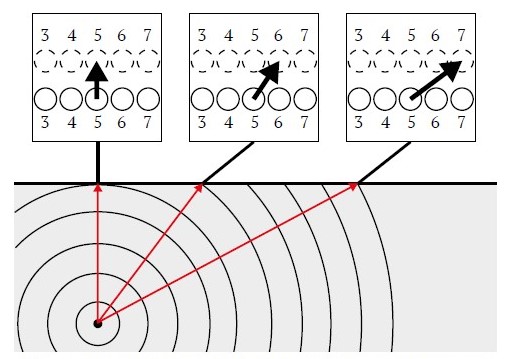
Fig. 1. N. F. Kusov’s hypothesis (explained in the text)
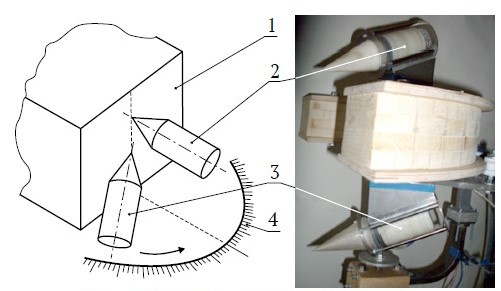
Fig. 2. Schematic diagram of the method:
1 – working surface of the medium;
2 – fixed sensing element; 3 – movable sensing element;
4 – protractor for measuring the angular position of the sensing elements
Based on this hypothesis, a method was developed to provide an empirical technical implementation of single-station acoustic source localization [22]. The method is based on placing several sensing elements with different spatial orientations at the recording station. For continuous processes, such as fire, at least two sensing elements are required: one with a fixed spatial orientation and another whose orientation is varied during recording (Fig. 2).
The bearing of the acoustic-wave source is determined by comparing the amplitudes of the first arrivals of acoustic pulses recorded by the movable cone with pulses previously recorded by the same cone and with pulses recorded simultaneously by the fixed cone. If the acoustic-pulse parameters remain constant over time, one cone is sufficient. If they vary, as is generally the case, two cones are required. For a planar case, such as a coal seam, two cones are sufficient. To determine the bearing of acoustic-wave sources in three-dimensional space, either a third cone should be used or the position of the movable cone should be varied sequentially in two planes.
The method was tested on a model object, namely a sandstone block in which mechanical impacts served as the acoustic source (Fig. 3), and under industrial conditions at an open-pit coal mine with an artificial combustion source.
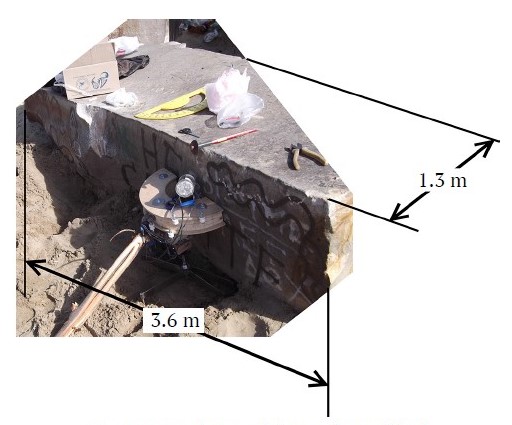
Fig. 3. General view of the sandstone block used in the test and the contact cone of the experimental setup; the photograph is rotated, which accounts for the cropped corners [22]
The test procedure was as follows. The sensing elements of the measurement system were placed on the prepared surface of the test object, namely the vertically oriented surface of the rock sample, with contact provided by the cone tips. Controlled hammer impacts were then applied to the opposite side of the test object at the same point. The impacts were applied in series, with ten impacts in each series. The first cone remained in the same position throughout the test, whereas the second cone was rotated by 5° in the specified direction after each series of impacts. For the proposed method of determining the bearing of an acoustic emission source, impact intensity, whether from one impact to another or from one series to another, is not critical. The key parameter is not the absolute amplitude but the relative amplitude of the signals generated in the two sensing elements when each acoustic pulse reaches them.
The test results confirmed N. F. Kusov’s hypothesis (Fig. 4).

Fig. 4. Relative amplitudes of the first arrivals of acoustic pulses as a function of the angular position
of the movable sensing element: acoustic-pulse source bearing, 60°; angular position of the fixed sensing element, 112° [22]
The scatter between series ranged from 4 to 25%. Fig. 4 shows the values averaged for each series.
After the bearing of an acoustic source has been determined from several points, its coordinates can be calculated. Thus, highly directional sensing elements installed in an undisturbed coal pillar or coal seam can be used to determine the bearing of fire sources that generate characteristic acoustic emission from a single point in the bearing plane, that is, the seam plane.
The concept of single-station acoustic source localization is not limited to bearing determination. If longitudinal and transverse waves are recorded in a medium with a known sound velocity, this approach can also be used to determine the distance to the acoustic source. Sound velocity depends on several factors, including moisture content, pressure, and fracturing, which can be accounted for by introducing appropriate corrections. A mathematical description of single-station acoustic source localization remains a subject for further research.
The economic effect of specific acoustic methods for detecting and locating fire sources in coal seams, or combinations of such methods, can be calculated accurately only for diagnostic operations that have already been implemented, when the scope of the measures taken is known and the associated costs can therefore be determined. In general terms, it is more appropriate to discuss the sources of this effect.
From a safety perspective, accurate detection and localization of fire sources and their timely suppression can reduce the cost of fire-control measures, such as nitrogen injection into mine workings. At the same time, the value of human life cannot be reduced to direct economic losses and the cost of replacing workforce.
When the value of mineral resources affected by fire is considered, quantitative estimates are fully justified. With regard to coal preservation, some reports indicate that in the People’s Republic of China, coal losses caused by spontaneous-combustion fires alone amount to hundreds of billions of dollars annually. However, many fire sources may exist simultaneously, be at different stages, and develop at different rates. Most importantly, diagnostic conditions may differ substantially. Reliable numerical estimates therefore require the analysis of specific cases.
Beyond coal losses, fire sources in coal seams have another aspect that is highly promising for further research. Coal contains various chemical elements, including radioactive elements [23]. Their concentrations may differ by a factor of 1,000 or more between deposits [24]. In some cases [25–27], uranium and thorium contents may vary substantially within the same coal seam. It has been established [28] that the tendency of coal to self-heat increases as the degree of coal metamorphism decreases. The lower the degree of coal metamorphism, the higher the content of radioactive elements in coal [29]. In other words, the tendency of coal to self-heat increases with increasing uranium content. During coal combustion, the concentration of radioactive elements in ash increases. At thermal power plants, this increase is typically three- to fourfold and may reach fifteenfold [30], whereas in fire sources in coal seams it may increase by orders of magnitude [31].
This analytical review examined acoustic methods for detecting and locating fire sources in coal seams and proposed their classification. The methods were compared in tabular form. The results show that combinations of different acoustic methods can be used to identify and locate fire sources in coal seams under virtually any real operating conditions. The prospects for passive acoustic diagnostics based on the concept of single-point acoustic source localization are also highlighted.
The main conclusions are as follows:
1. Referencea
2. Fedorenko E. I., Kobylkin S. S. The problem of underground fires and their extinguishing at great depths in coal mines. Mining Informational and Analytical Bulletin. 2011;(S7):197–207. (In Russ.)
3. Korshunov G. I., Mironenkova N. A., Poleshchuk A. A. The topical methods of detecting spontaneous combustion sources in coal mines. Mining Informational and Analytical Bulletin. 2025;(5):169–180. (In Russ.) https://doi.org/10.25018/0236_1493_2025_5_0_169
4. Anghelescu L., Diaconu B. M. Advances in detection and monitoring of coal spontaneous combustion: techniques, challenges, and future directions. Fire. 2024;7(10):354. https://doi.org/10.3390/fire7100354
5. Kong B., Zhong J., Wei J. et al. Study on sound wave kinematic characteristics and temperature sensing mechanism during the warming process of loose coals. Energy. 2024;307:132753. https://doi.org/10.1016/j.energy.2024.132753
6. Wang J., Den J., Ren S. et al. Acoustic wave propagation characteristics and spontaneous combustion warning of coal during oxidative warming of loose coal. Fuel. 2025;398:135528. https://doi.org/10.1016/j.fuel.2025.135528
7. Guo J., Shang H., Cai G. et al. Early detection of coal spontaneous combustion by complex acoustic waves in a concealed fire source. ACS Omega. 2023;8(19):16519–16531. https://doi.org/10.1021/acsomega.3c00199
8. Yamshchikov V. S., Shkuratnik V. L. Control of processes during underground coal gasification. Moscow: MGI; 1985. 73 p. (In Russ.)
9. Vinnikov V. A., Voznesenskii A. S., Shkuratnik V. L., Ustinov K. B. Theoretical models of acoustic emission in rocks with different heating regimes. Journal of Applied Mechanics and Technical Physics. 2010;51(1):84–88. https://doi.org/10.1007/s10808-010-0013-2 (Orig. ver.: Vinnikov V. A., Voznesenskii A. S., Shkuratnik V. L., Ustinov K. B. Theoretical models of acoustic emission in rocks with different heating regimes. Prikladnaya Mekhanika i Tekhnicheskaya Fizika. 2010;51(1):100–105. (In Russ.))
10. Su F., Itakura K., Deguchi G., Ohga K. Monitoring of coal fracturing in underground coal gasification by acoustic emission techniques. Applied Energy. 2017;189:142–156. https://doi.org/10.1016/j.apenergy.2016.11.082
11. Zhao S., Chao Q., Yang L. et al. A review on application of acoustic emission in coal – analysis based on citespace knowledge network. Processes. 2022;10(11):2397. https://doi.org/10.3390/pr10112397
12. Deng J., Qu G., Ren S. et al. Investigation on high temperature point detection of spontaneous combustion of loose coal based on optimal acoustic signal. Process Safety and Environmental Protection. 2024;185:423–434. https://doi.org/10.1016/j.psep.2024.03.028
13. Liu J., Ma Y., Kong B. et al. Study on the precursor characteristics of coal energy spontaneous combustion process using infrasound wave monitoring and warning. Energy. 2024;292:130406. https://doi.org/10.1016/j.energy.2024.130406
14. Kong B., Zhong J., Lu W. Progress in the study of acoustic effects and prescursor characteristics during spontaneous combustion of coal. Coal Science and Technology. 2025;53(2):209–219. https://doi.org/10.12438/cst.2024-0157
15. Dyrdin V. V., Oparin V. N., Fofanov A. A., et al. On the possible influence of secondary main roof subsidences during coal seam mining on their outburst hazard during gas hydrate dissociation. Fiziko-Tekhnicheskie Problemy Razrabotki Poleznykh Iskopaemykh. 2017;(5):3–14. (In Russ.) https://doi.org/10.15372/FTPRPI20170501
16. Borisenko D. I. Experimental confirmation of acoustic diagnostics of fires in coal beds. Procedia Environmental Science, Engineering and Management. 2021;8(1):71–77.
17. Lee M. R., Crawford J. M., Doty W. E. N. Vibroseis application becoming world-wide. World Petroleum. 1963;34(3):85.
18. Pietsch K., Slusarczyk R., Dec J. O mozliwosci lokalizowania stref bezpokladowych przy zastosowaniu seismiki weclowej. Zeszyty Naukowe Politechniki Śląskiej. Górnictwo. 1987;(155):157–170.
19. Ozerov I. F., Antsiferov A. V., Budnik V. V., Zhulyabin V. I. Seismic studies to determine the position of the fire face during underground coal combustion, the configuration and areas of mine workings and burned-out space, and preparation of conclusions based on the research results (compilation of maps of the studied areas): Research report (final). Donetsk: VNIMI (Ukrainian Branch); 1990. 67 p. (In Russ.)
20. Ren S.-J., Zhang, Y.-N., Song, Z.-Y. et al. Initial exploration on potential fire hazards detection from coal spontaneous combustion applied by acoustic wave. Science of The Total Environment. 2023;897:165475. https://doi.org/10.1016/j.scitotenv.2023.165475
21. Baron L. I. On the accuracy of basic technological indicators and engineering calculations of ore mining processes. Bulletin of the USSR Academy of Sciences. Department of Technical Sciences. 1951;(9):1346–1355. (In Russ.)
22. Millahn K. O. Flozwellenseismik. Pracla-Seismos Digest. 1982;6. (In German)
23. Borisenko D. I., Azarenko V. A. Experiment at the finding directions of source of acoustic pulses in a continuum with one point in semi-laboratory conditions. In: Naumov V. A. (Ed.) Synthesis of Knowledge in Natural Sciences. The Mine of the Future: Projects, Technologies, Equipment: Proceedings of the International Scientific Conference. Vol. 1. Perm: Perm State National Research University, Institute of Natural Sciences; 2011. Pp. 267–270. (In Russ.)
24. Yudovich Ya. E., Ketris M. P. Uranium in coals. Syktyvkar: Russian Academy of Sciences, Ural Branch, Komi Scientific Center; 2001. 84 p. (In Russ.)
25. Sidorova G. P., Krylov D. A. Radioactive elements in coals and their combustion products. Medical Radiology and Radiation Safety. 2016;61(2):75–78. (In Russ.)
26. Iblaminov R. G. Geological and industrial types of mineral deposits. Ore deposits. Perm: Perm State National Research University; 2021. 278 p. (In Russ.)
27. Nikitenko S. M., Patrakov Y. F., Nikitenko M. S. et al. Radiation properties of coal and barren rocks: geotechnical applications. Journal of Mining Science. 2021;57(6):1041–1048. https://doi.org/10.1134/S106273912106017X (Orig. ver.: Nikitenko S. M., Patrakov Y. F., Nikitenko M. S. et al. Radiation properties of coal and barren rocks: geotechnical applications. Fiziko-Texhnicheskiye Problemy Razrabbotki Poleznykh Iskopaemykh. 2021;(6):181–189. (In Russ.))
28. Hao Y., Xie T., Chen C. et al. Migration behavior of ²²⁶Ra in rock and soil media around a typical uranium tailings reservoir. Environmental Technology & Innovation. 2025;37:103944.
29. Golynskaya F. A. Metamorphism intensity as the main genetic trait of self-combustion coal. Mining Informational and Analytical Bulletin. 2013;(7):164–169. (In Russ.)
30. Arbuzov S. I., Ilenok S. S., Chekryzhov I. Yu. Radioactive elements (U, Th) in the coals of Northern Asia. In: Radioactivity and Radioactive Elements in the Human Environment: Proceedings of the VI International Conference. In 2 vols. Vol. 1. Tomsk: Tomsk Polytechnic University Publishing House; 2021. Pp. 55–62. (In Russ.)
31. Krylov D. A., Sidorova G. P. Evaluation of the content of radioactive elements in coals and products of combustion. Mining Informational and Analytical Bulletin. 2015;(7):369–376. (In Russ.)
32. Gavshin V. M., Miroshnichenko L. V. Uranium concentration in altered brown coals located under burnt rocks. In: Geochemical Barriers in the Hypergenesis Zone: Abstracts of the International Symposium Dedicated to the Memory of Prof. A. I. Perelman. Moscow, October 25–29, 1999. Moscow: Moscow State University Publishing House; 1999. Pp. 117–121.
Dmitry I. Borisenko – Cand. Sci. (Eng.), Leading Researcher
Moscow
Scopus ID 6507608881
SPIN 7688-1550
Sergey S. Kobylkin – Dr. Sci. (Eng.), Professor of the Department of Safety and Ecology of Mining Production
Moscow
Scopus ID 56209222200
ResearcherID D-6471-2014
SPIN 9423-0096
Borisenko D.I., Kobylkin S.S. Acoustic methods for detecting and locating fire sources in coal seams: classification and future directions. Mining Science and Technology (Russia). 2026;11(2):159-168. https://doi.org/10.17073/2500-0632-2025-07-996




Editor-in-Chief
Petrov V.L. Email this article (Login required)
Email the author (Login required)
Email this article (Login required)
Email the author (Login required) 119049, Moscow, Leninsky Prospect, 4, b. 1
The National University of Science and Technology MISIS (NUST MISIS)
Tel.: +7 (968) 848-61-24
E-mail: send@misis.ru





